Fitness Diet Guide
Jul 14,2025 | oppsdecor
One of the biggest struggles for most people—whether they are just starting their weight lifting journey or are seasoned lifters—is understanding proper nutrition. This blog is great for anyone that is looking to maximize their performance and translate all that hard work in the gym into muscle and strength including weight lifters, fitness enthusiasts, bodybuilders, or those new to weight lifting seeking guidance on dietary practices.
The goal of the weight lifting diet for muscle development and strength is to keep our bodies in an anabolic state that is conducive to muscle hypertrophy and growth. During intense training, we are inducing muscle hypertrophy through three main mechanisms including:
- Muscle Tension
- Exercise-Induced Muscle Damage
- Metabolic Stress
After training, it is the subsequent 24-48 hours of the recovery curve where the supercompensation (muscle adaptation) occurs. This is the optimal time to focus on proper nutrition for weight lifting, hydration, and recovery. Also, be sure to get 7.5-8 hrs. of sleep or more consistently to improve recovery and speed muscle development.
Table of Contents
- Understanding Nutrition for Weight lifting
- Foods to Eat When Weight lifting
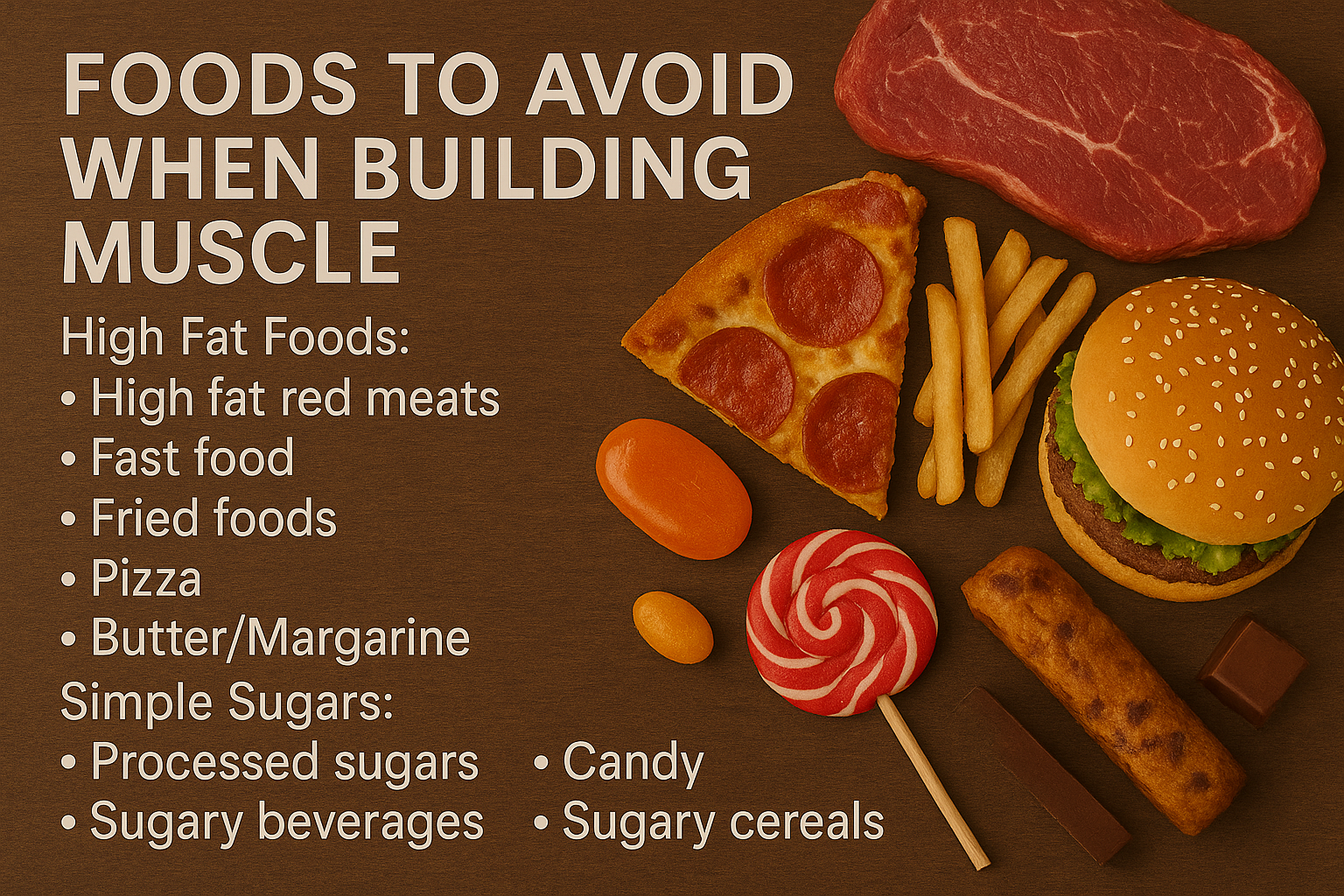
- Foods to Avoid When Building Muscle
Understanding Nutrition for Weight lifting
For beginners, the best way to understand nutrition for weight lifting is to get the proper training and certifications, then start getting experience working with yourself and a variety of clients.
Why nutrition matters in weight lifting
Nutrition is essential during weight lifting to fuel performance, repair the muscles, and facilitate the recovery process. Without adequate nutrition and hydration, your body cannot perform at optimal levels and your progress will stall. The body can become catabolic if it lacks the proper nutrition during intense training which is counterproductive to any strength, performance, or physique goal.
Think of nutrition as your fuel, and your body is the race car. If we want to maximize performance, we need to provide the right types of fuel.
Key Nutritional Requirements for Weight lifters
For anyone looking to build muscle it is most important to start by establishing your daily caloric goals and put you into a caloric surplus to allow your body to grow. Generally speaking (and there are exceptions) our bodies are normally in either an anabolic (muscle growth) or a catabolic (muscle wasting) state. To grow, we must intake more calories than we expend per day (surplus). To lose weight, we must intake less calories than we expend per day (deficit.)
The second most important thing to remember is that timing and type of macronutrients are everything. For instance, for general body composition and weight management we want to avoid spiking glucose and insulin throughout the day which is why we recommend spreading your whole-food meals out over 3-6 meals per day.
In contrast, pre- and post-workout our goal is to spike glucose and insulin paired with essential amino acids to quickly switch our bodies into an anabolic state and shuttle all of these essential nutrients into the muscles.
PRO TIP: When you are just starting out, rather than overwhelm yourself with nailing every single gram of each meal to perfection, start with a behavioral goal of getting 3-6 meals in per day. Then refine each meal closer to plan (daily macro goal) until you are in the habit of getting each meal in per plan.
Protein Needs
Getting adequate dietary protein from whole food sources and through supplementation is essential for skeletal muscle growth. Your muscles are made up of amino acid chains and you’ll want to replenish muscle tissue by intaking enough full spectrum protein and essential amino acids to support muscle growth and keep your body in an anabolic state.
Although the numbers vary widely from sedentary individuals to extreme athletes, a good rule of thumb is to start with 1.0 - 1.5g of protein per 1 pound of bodyweight and adjust up or down from there based on individual progress.
Generally, proteins will comprise between 30-40% of the diet depending on the individual goals.
Question: – I’ve heard some athletes intaking as high as 2-3g of protein per pound of muscle?
Answer: Many older studies show much lower numbers around 0.5 – 1.0g per pound of BW with diminishing returns for higher levels. However, from my experience as an IFBB Olympian athlete and coach, it well trained athletes in extra sports such as weightlifting, bodybuilding, powerlifting, etc., require more amino acids due to the high amounts of exercise induced muscle damage. Also, athletes using supplementation or enhancements (think AAS and similar) have higher muscle nitrogen and protein synthesis allowing them to metabolize greater amounts of dietary proteins.
Carbohydrates for Energy
One macronutrient that is often scary to those just starting out their weight lifting journey is carbs. Are they good or bad? The short answer is – they are essential depending on the goal, type, timing etc.
Our bodies run on glucose, and glucose is ultimately stored in the muscles as glycogen. Generally, we don’t want to continuously spike our glucose and insulin throughout the day since insulin is a holding hormone which can make us store unnecessary body fat (energy). However, the one time of day we DO want to spike our glucose/insulin right before/after intense weight lifting. Paired with a fast-digesting protein or EAA complex this will signal the muscle receptors to open up and shuttle in the nutrients from the bloodstream.
There are also inactive carbs such as dietary fiber which has many benefits on estrogen levels, digestive motility and GI support, moderating LDL cholesterol for heart health and more.
Stick with complex carbohydrates for most of your whole food meals, and fast digesting carbs pre-/intra-/post-workout for best results. Typical carbohydrate intake can vary from 30-50% of the diet (and even more or less depending on the training phase and client goals).
Fats, Vitamins, and Minerals
Healthy fats can also be intimidating for anyone chasing a fitness or weight lifting goal. However, they are essential for many bodily functions, aid in digestion and nutrient uptake, slow assimilation of foods when trying to bulk, and more.
Healthy fats such as medium chain triglycerides (MCT’s) metabolize more efficiently than long chain fats. High omega-3 fish oils have favorable benefits to heart health and HDL cholesterol levels. Try to avoid fats that are processed or solid at room temperature like hard beef fats, saturated fats, trans fats (fast food) etc.
Total dietary fats intake for weight lifters should range from 15-25% on average.
Foods to Eat When Weight lifting
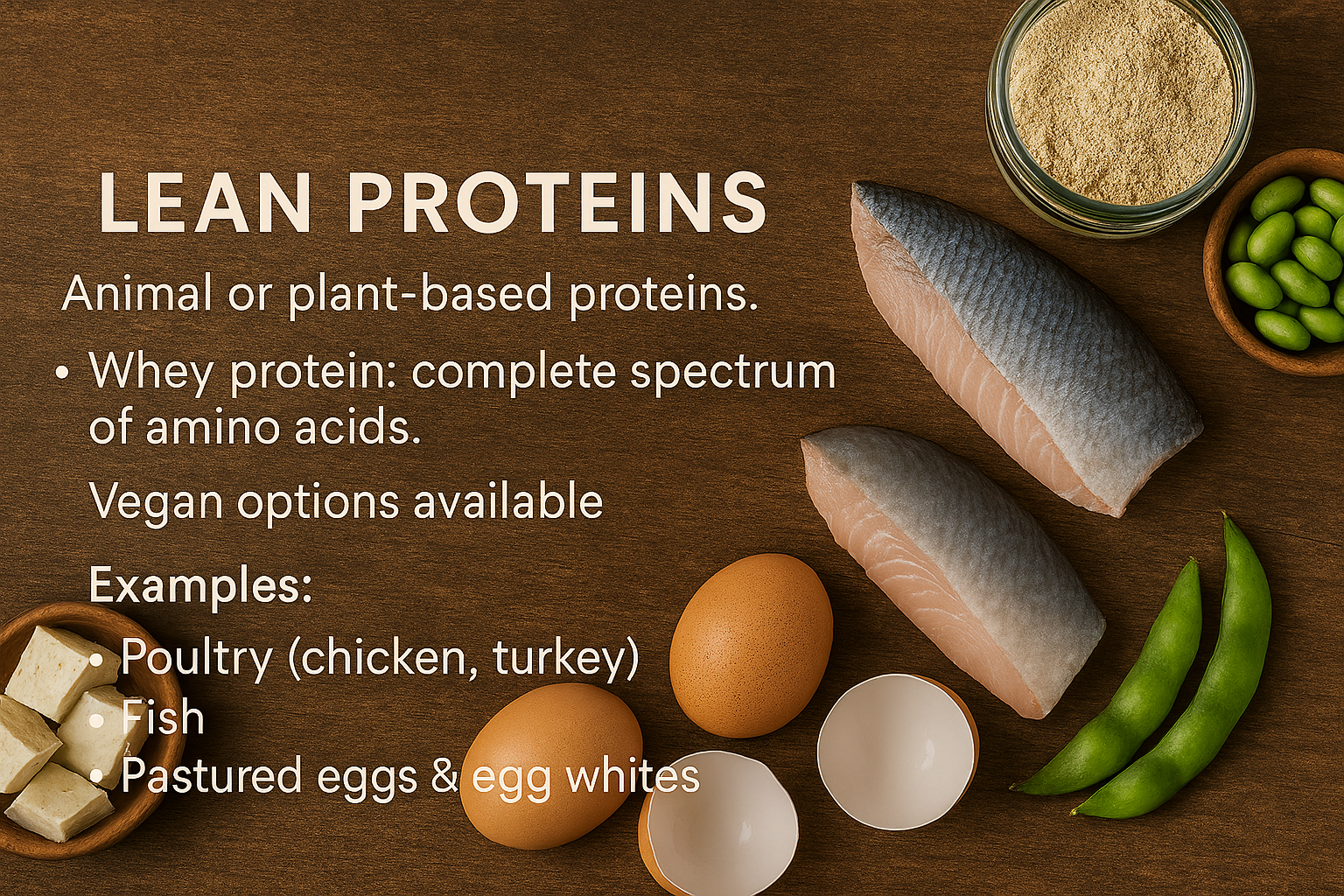
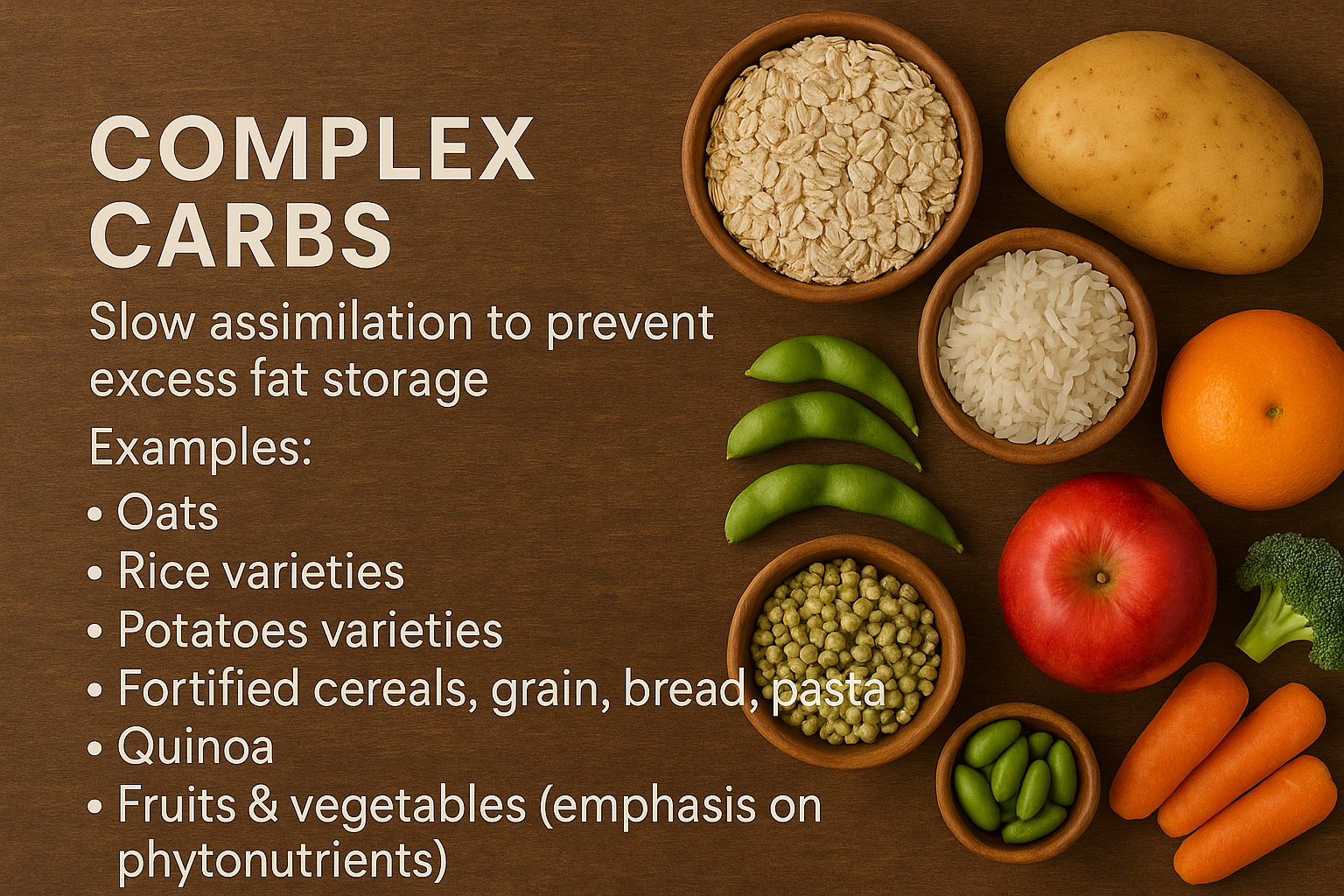
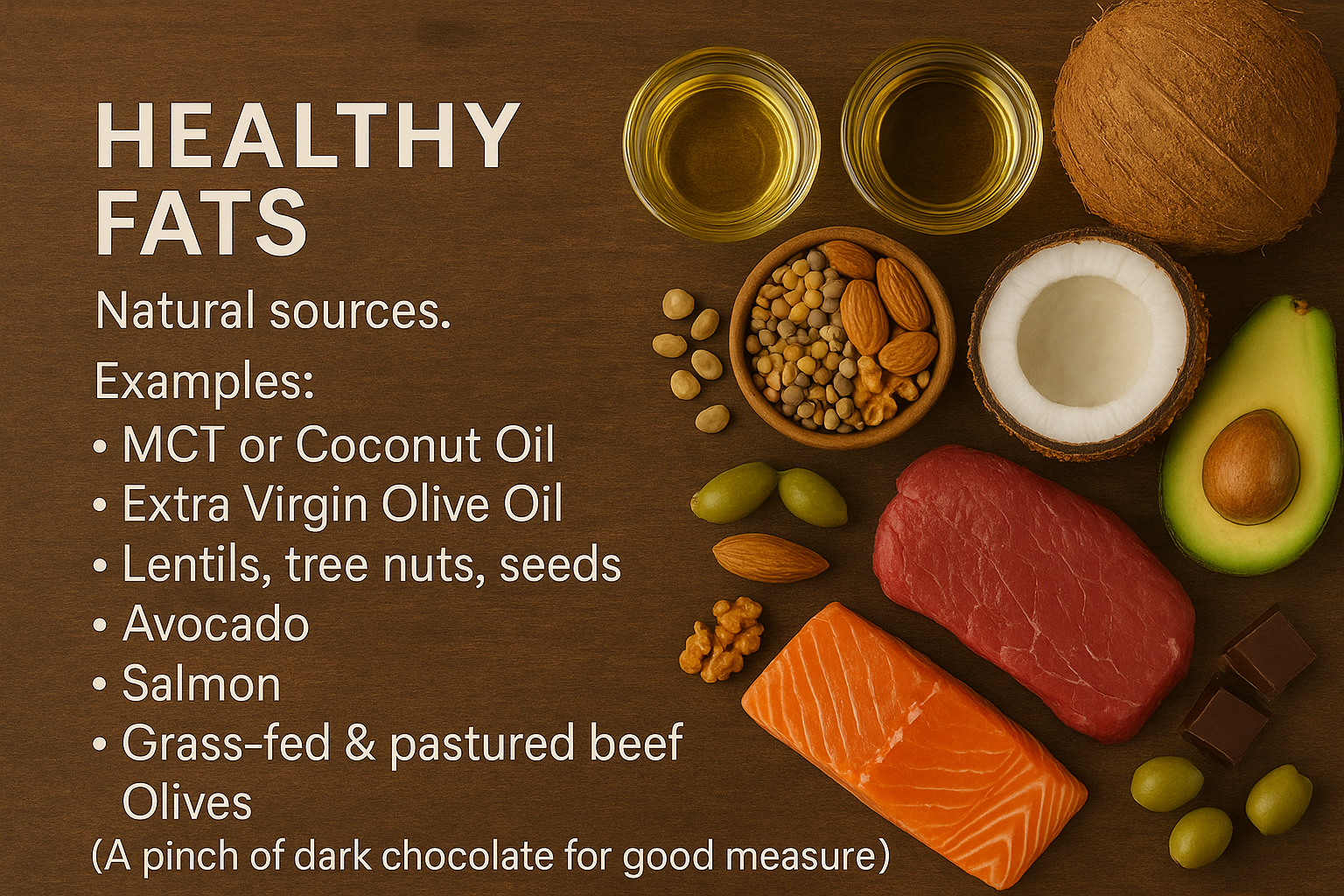
The main macronutrient food sources should include nutrient-dense mixed macro meals that prioritize complex carbs and lean proteins with a moderate amount of healthy fats.
Other Nutrition-Related Concerns for Weight lifters
Weight lifters should be sure to also take a good liver and kidney detox supplement to ensure optimal liver/kidney function and overall health. As we breakdown muscle tissue it increases BUN/Creatinine Kinase (CK) levels.
In addition to intense training, excessively high protein diets, processed beverages, medications, supplementation, and just other environmental factors can cause toxicity to build up. It’s important to keep our bodies flushed out with adequate hydration, nutrition, detoxification and monitor key health indicators through bloodwork.
Listen to your body and work with a coach. If you have chronic muscle soreness, fatigue, or sickness, you may be overtraining. On the extreme side of overtraining paired with poor recovery you can land yourself in the hospital with rhabdomyolysis which can lead to serious acute health issues.
Question: what about overeating? Can’t I eat too much when trying to lose body fat?
Answer: The reality is you need to feed your body more food when you are trying to grow. Our bodies run on glucose and after intense training the goal is to fuel protein synthesis, increase muscle nitrogen, and achieve a supercompensation of repairing (building) muscle higher than homeostasis levels.
Nutrition Tips:
Key times of day essential to muscle development for weight lifters are:
- Pre-workout:
- 60-90 minutes before lifting - Carbs: Proteins: Fats ratio of 15:5:2
- Intra-workout
- Consume 5:1 carbs to essential amino acids during your workout - Post-workout:
- Aim for Carbs: Proteins: Fats ratio of 2:3:1 within 30 mins of lifting
Another key takeaway that is often overlooked is supplementation (micronutrition), hormones, and what role they play in weight lifting for muscle development.
Here are some examples of common supplements that can help support your nutrition for weight lifting and boost overall performance:
- Multivitamin: You may be thinking that a multivitamin is not the “sexiest” supplement to start with. However, it is the most important! Starting here
- Structure a higher percentage of your carbohydrates around your workouts
- Spread your macros out over 3-6 meals per day every 2.5-3 hours
- Stay well hydrated with water and electrolytes aiming for 2.5-4 liters H2O/day
- Eat well-balanced mixed macro meals
- Prioritize your post-workout fast digesting protein and carbs
- Be sure to get all of your micronutrients and supplementation in to support lean muscle